
Film Wedding Photography in France
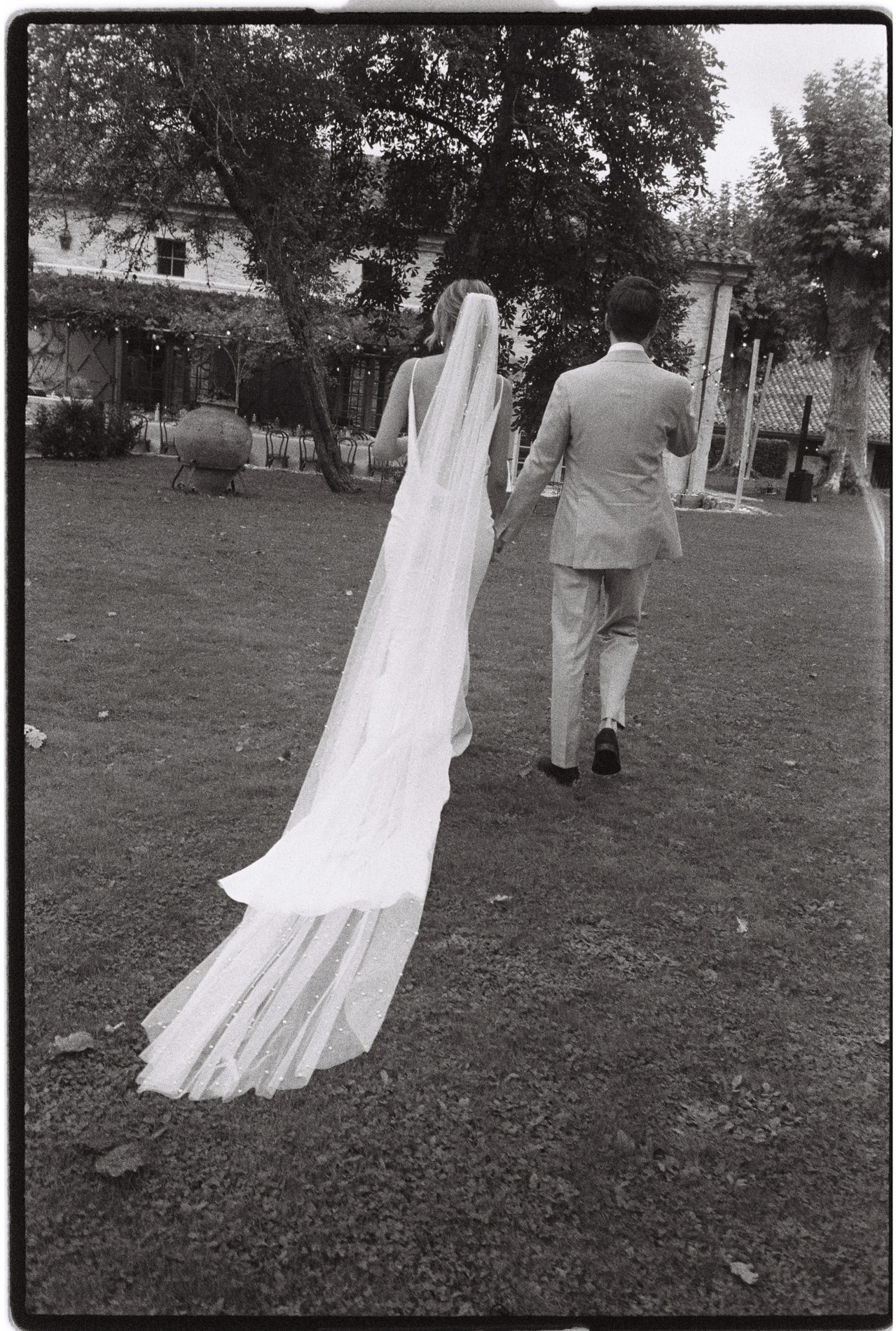
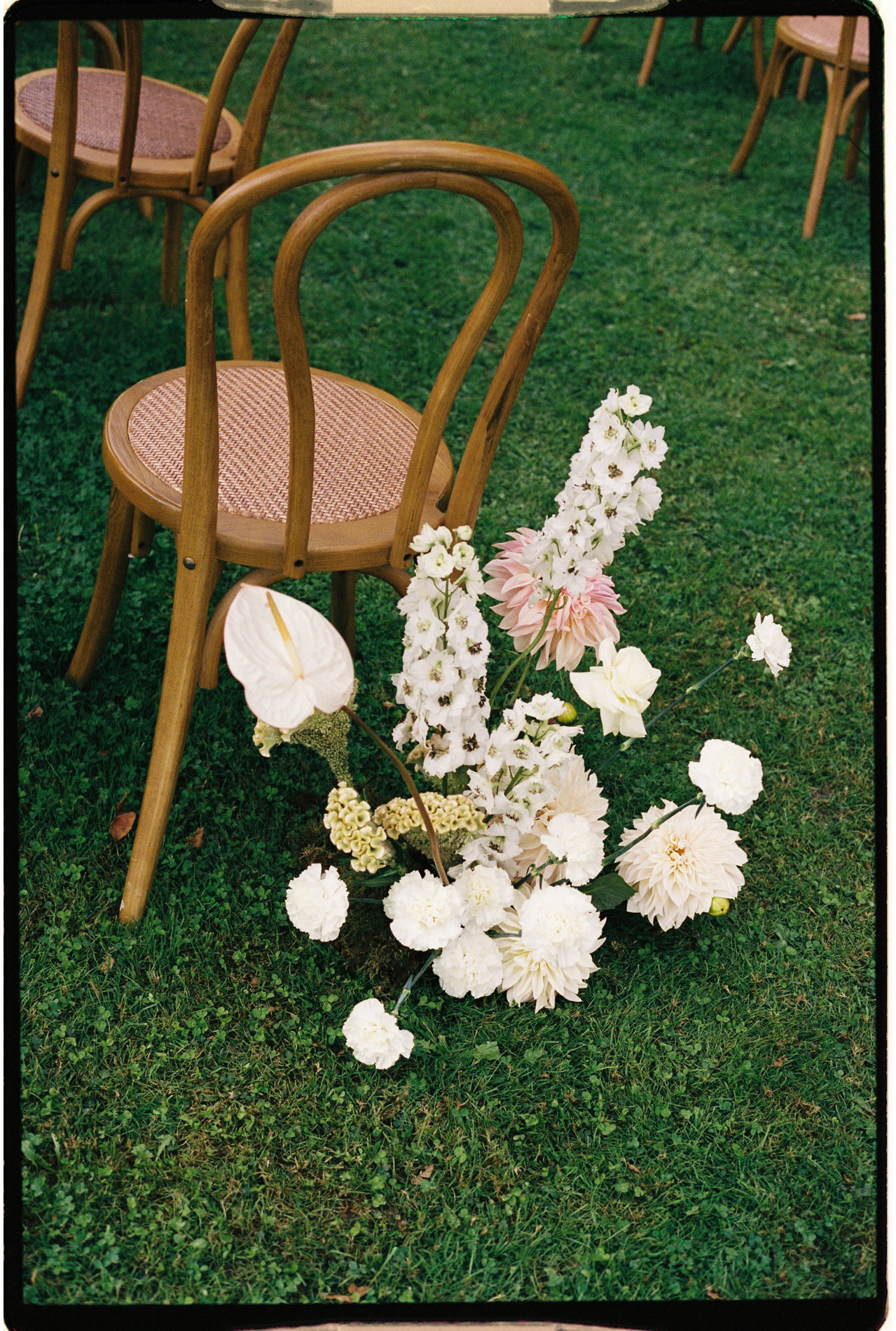

DIGITAL AND FILM WEDDING PHOTOGRAPHY
A considered approach to analog photography
A conscious choice, not a visual effect
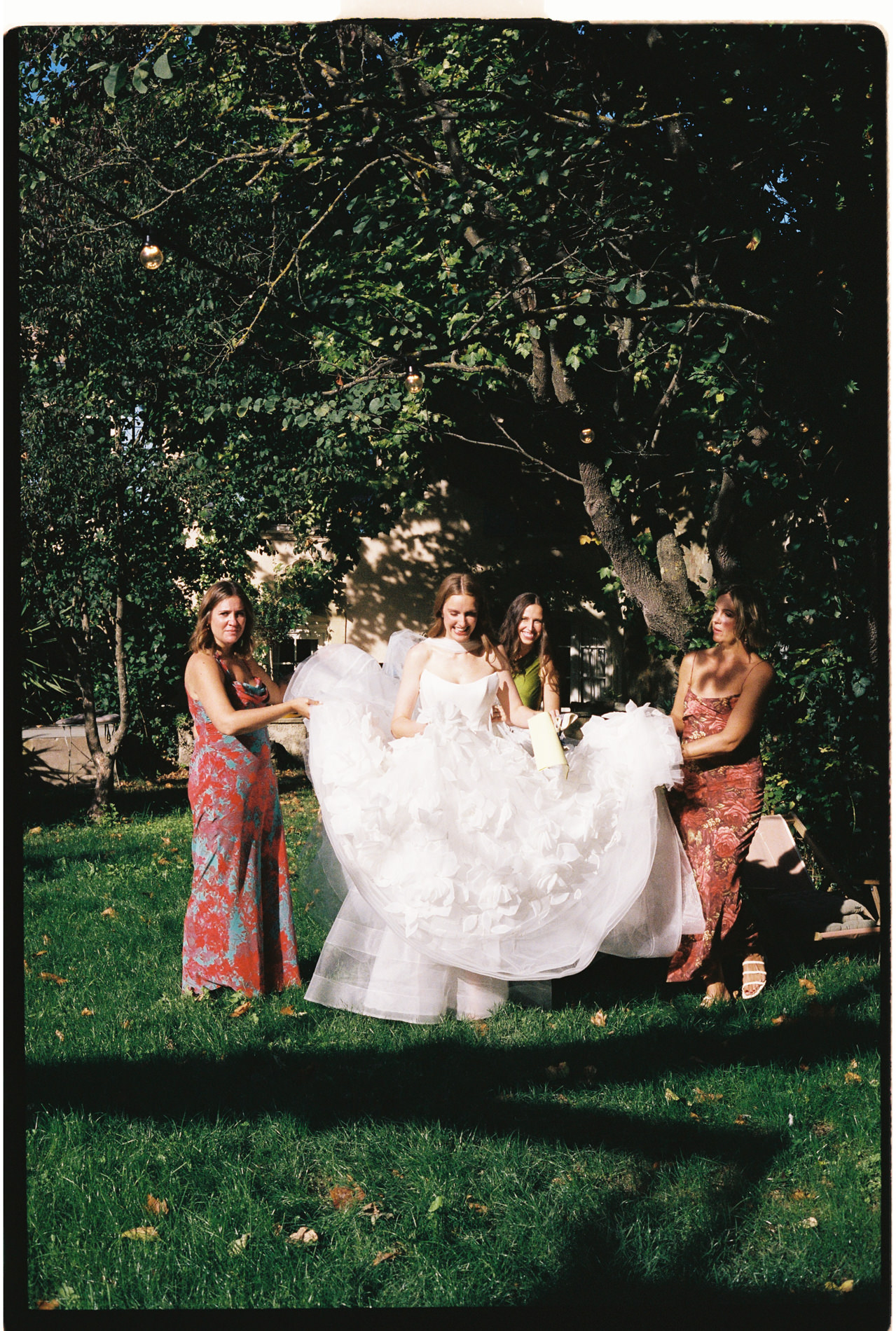
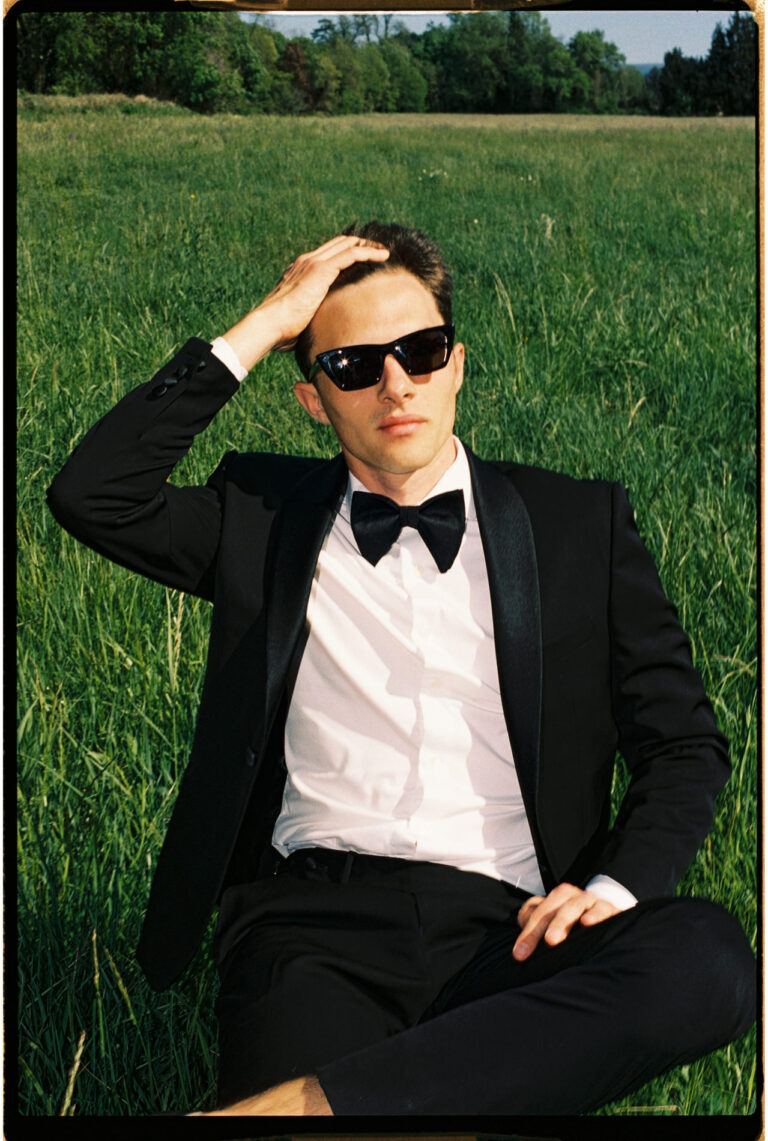
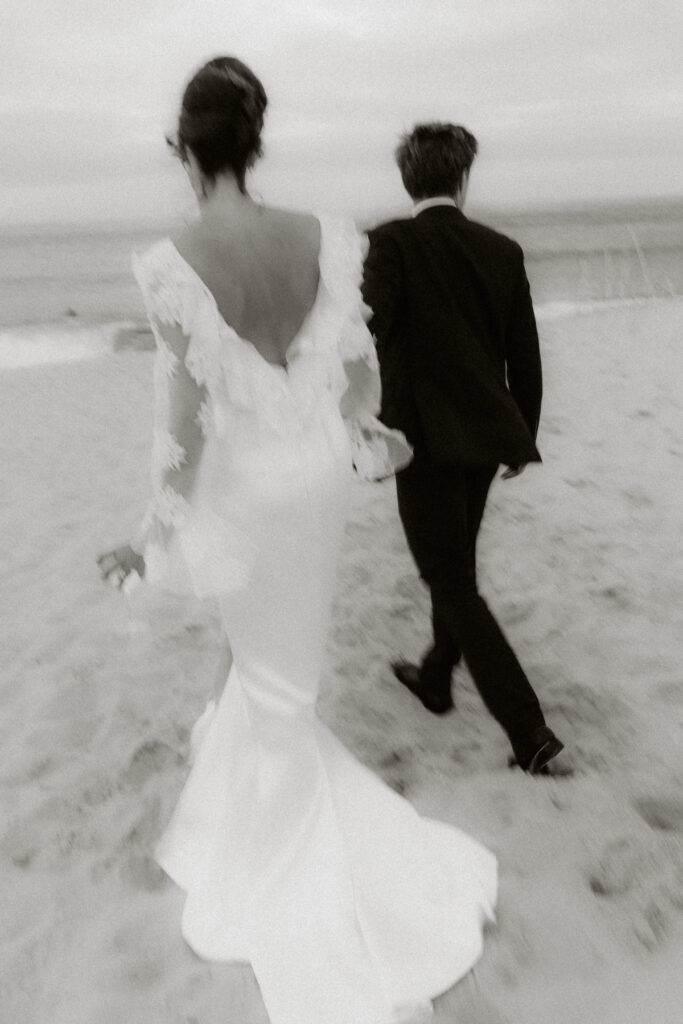
Film wedding photography is not an effect or a trend I add to a wedding day. It is a conscious choice that shapes the way I work. Shooting with film slows the rhythm, limits the number of frames, and brings intention back into the act of photographing. Each image is chosen rather than accumulated, observed rather than rushed.
Slowing down changes what images feel like
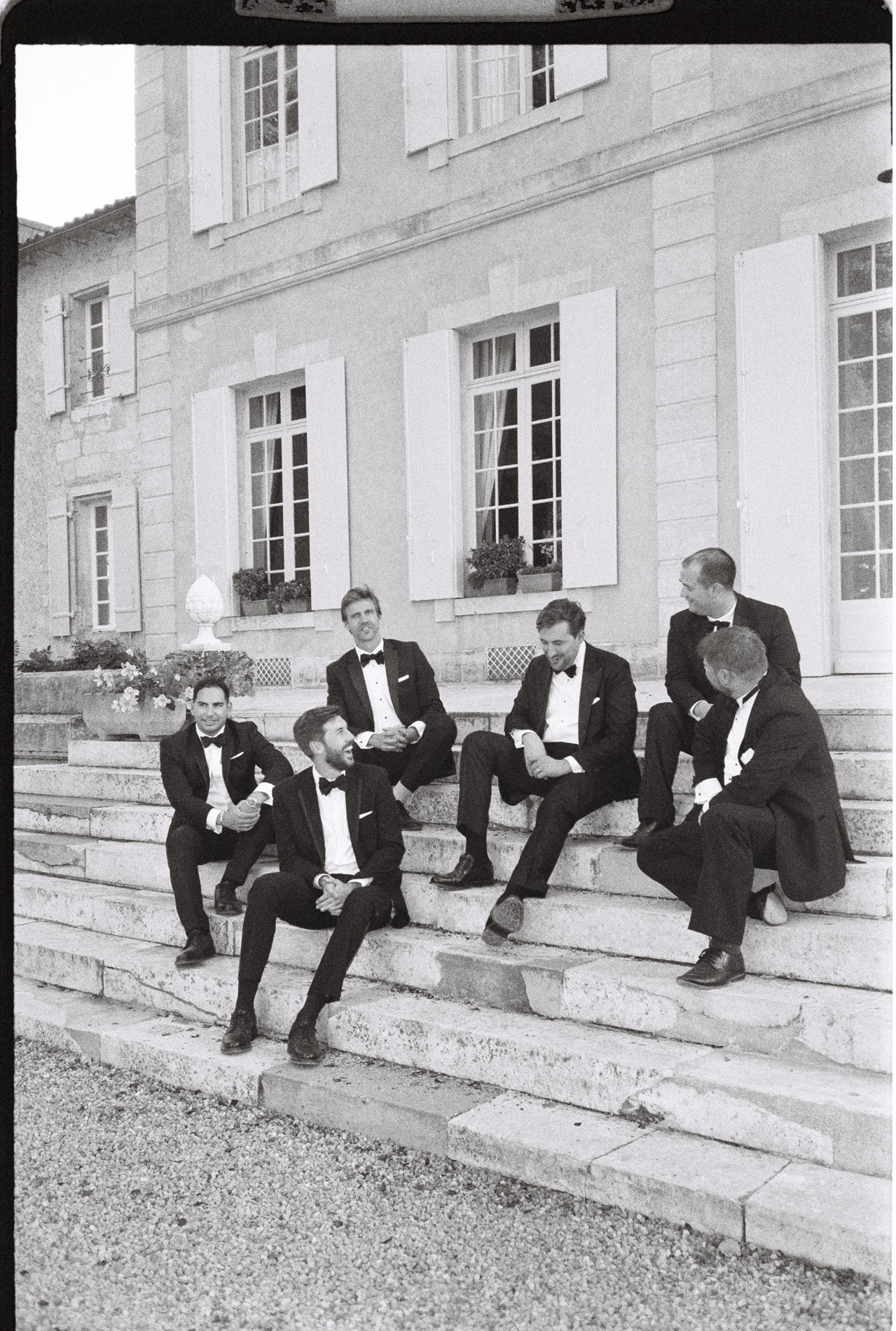
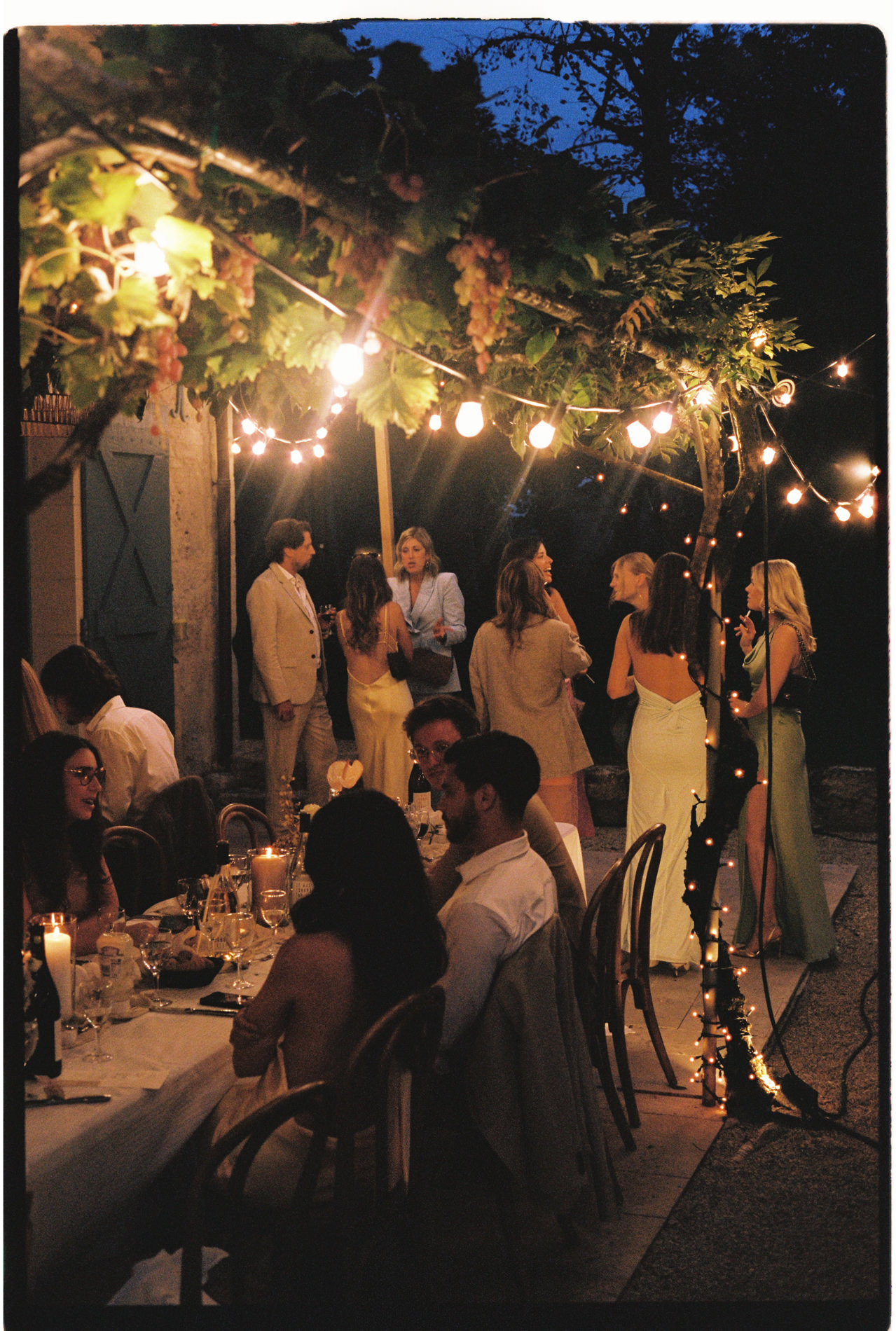
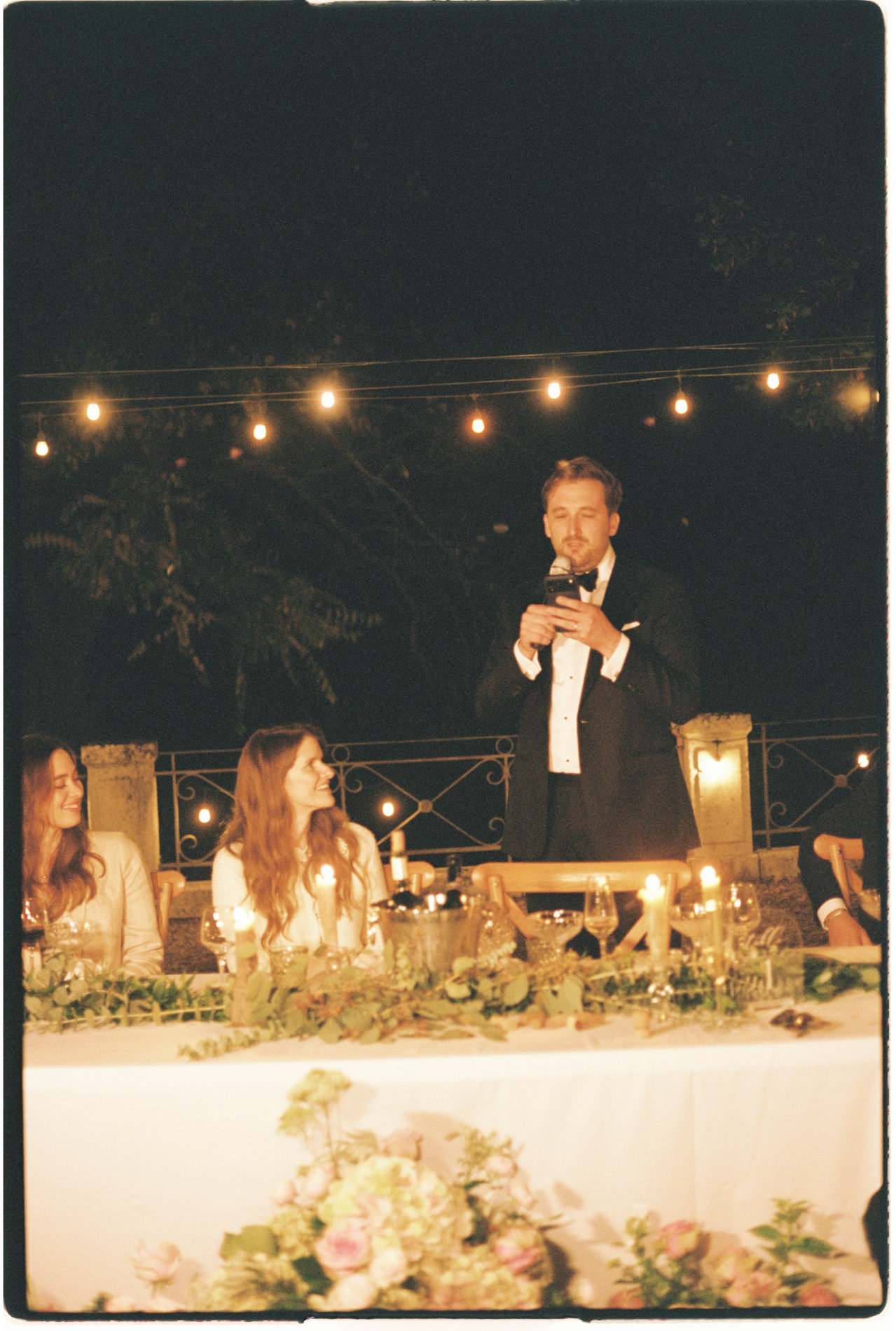
Working with 35mm film changes the energy of a wedding day. It slows the rhythm, shifts my relationship to time, and creates a calmer, more grounded atmosphere. Moments unfold more quietly, without performance.
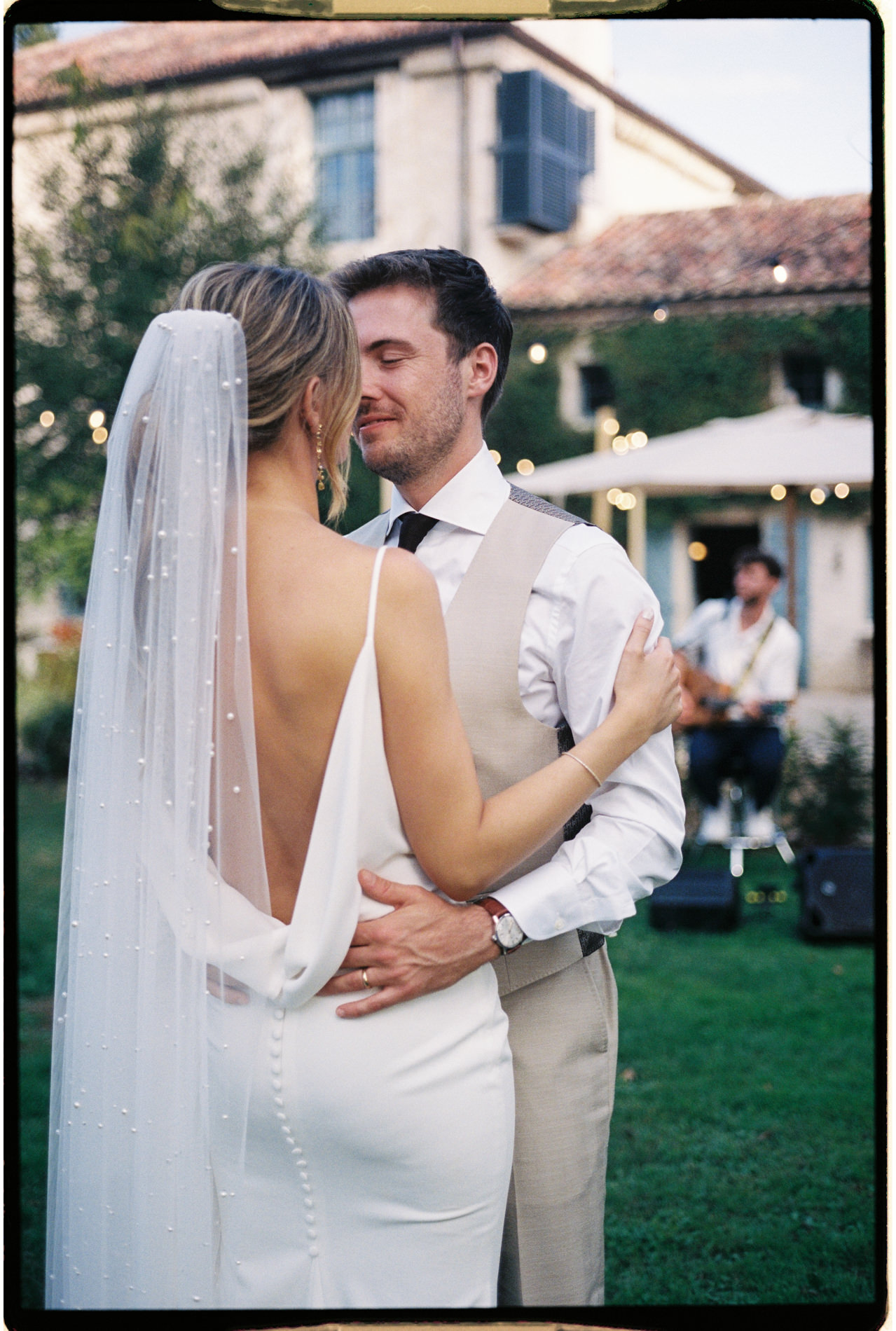
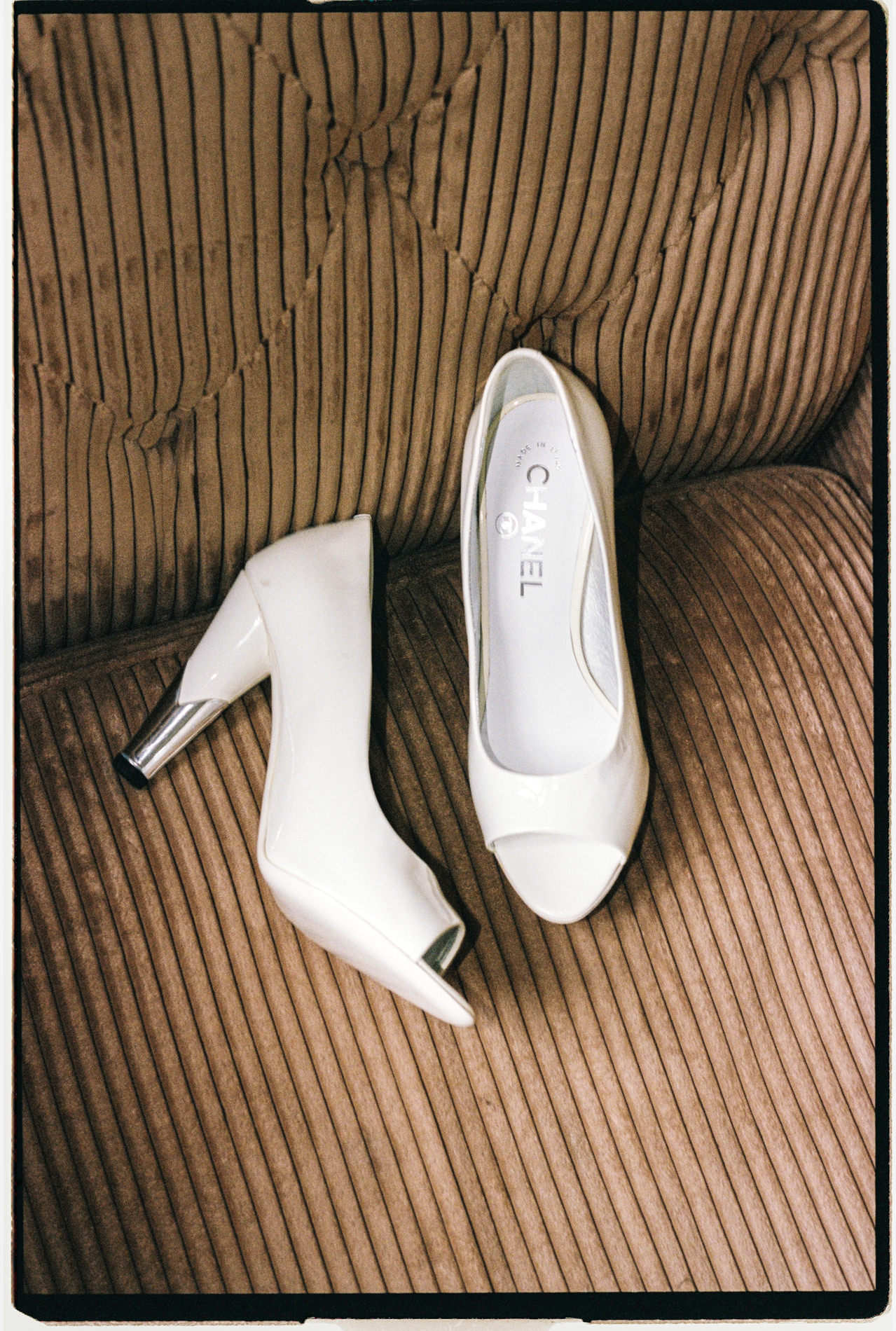
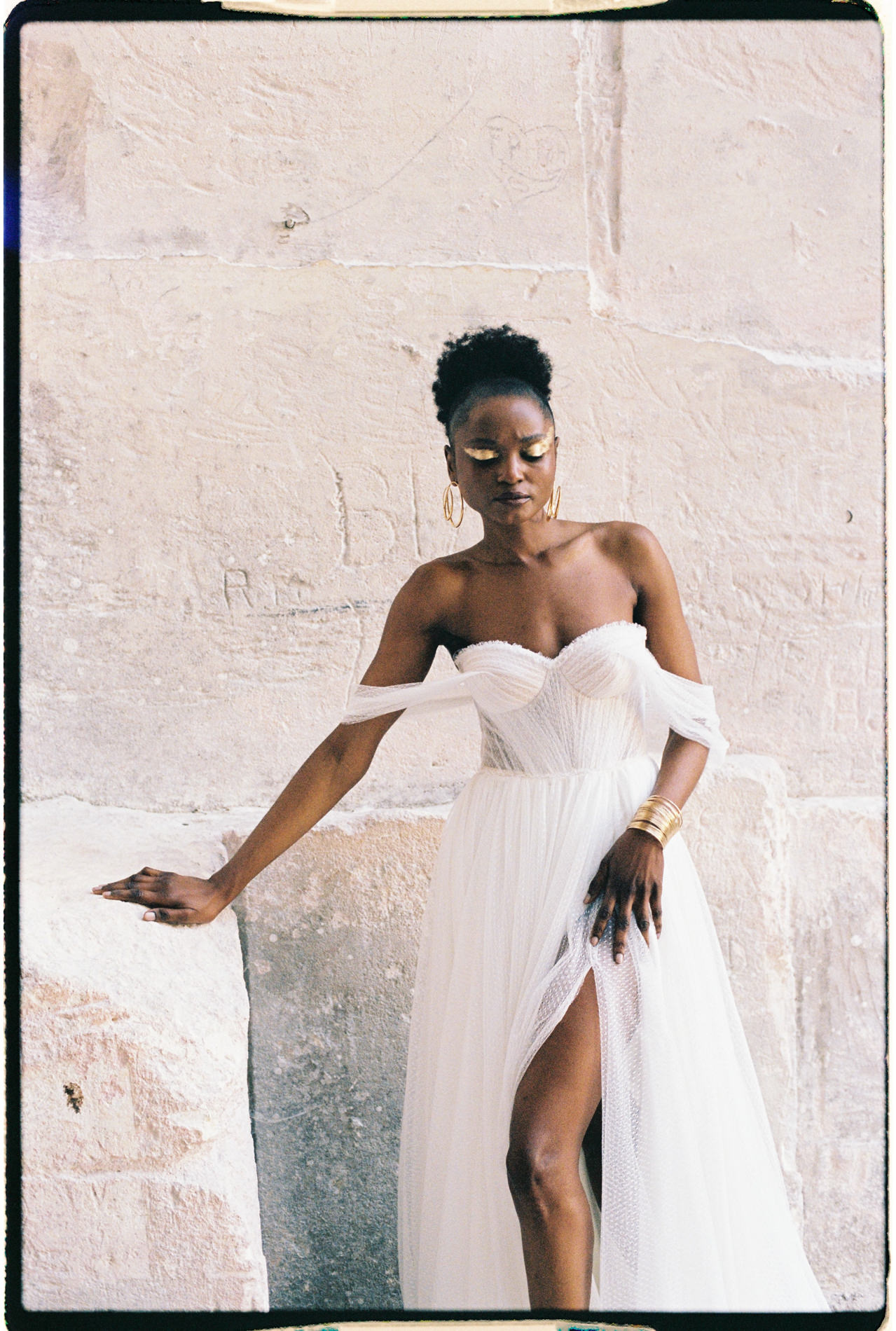
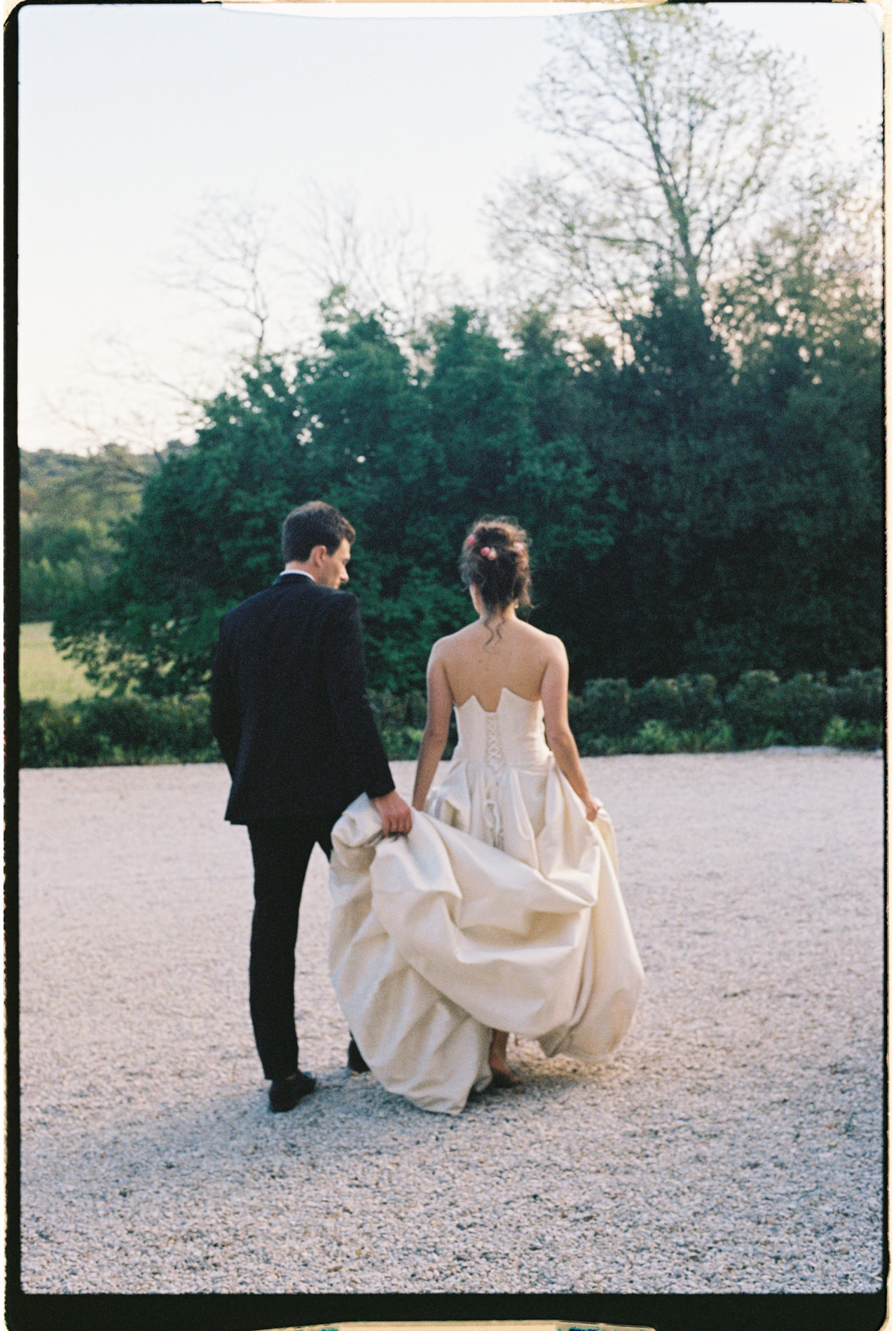
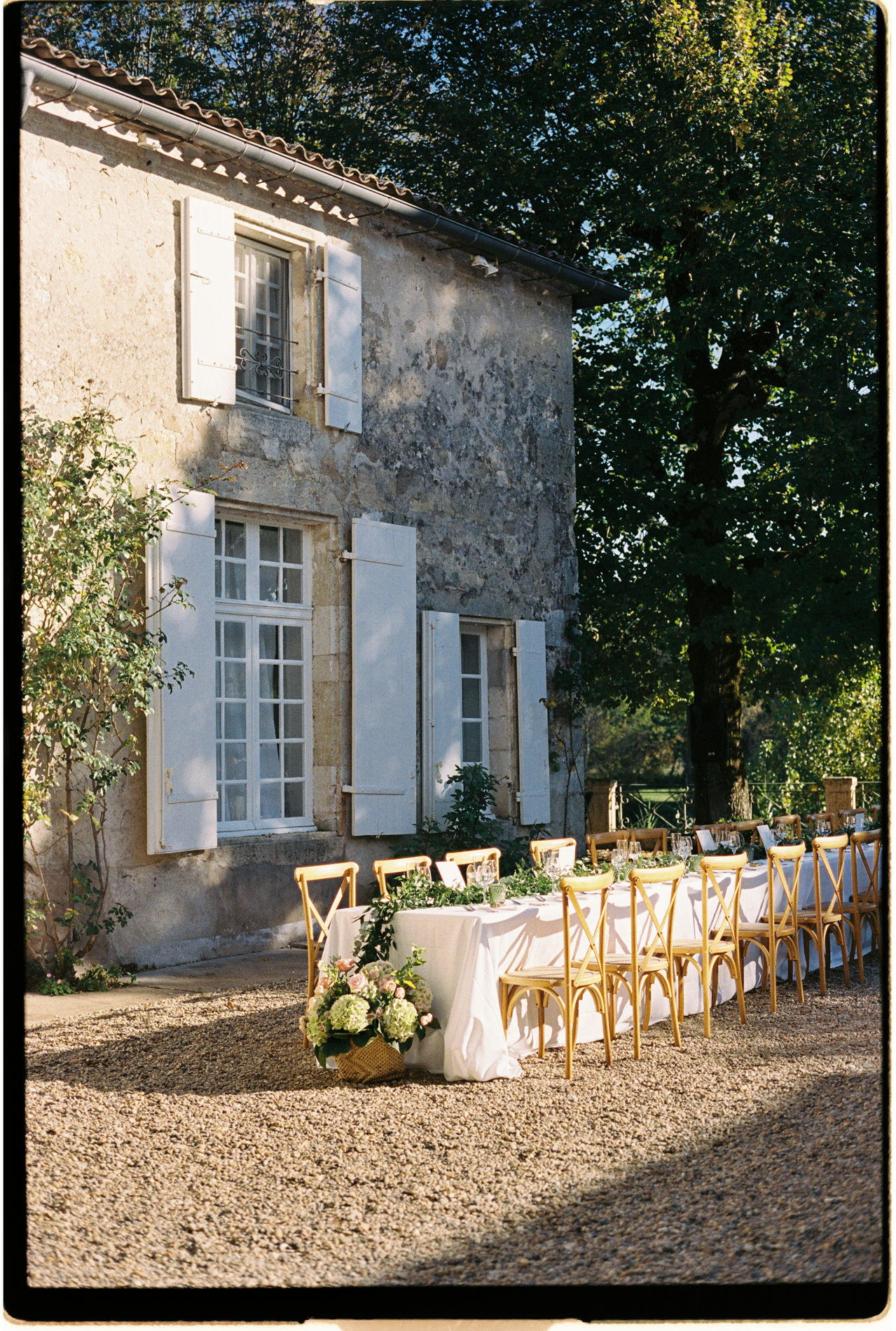
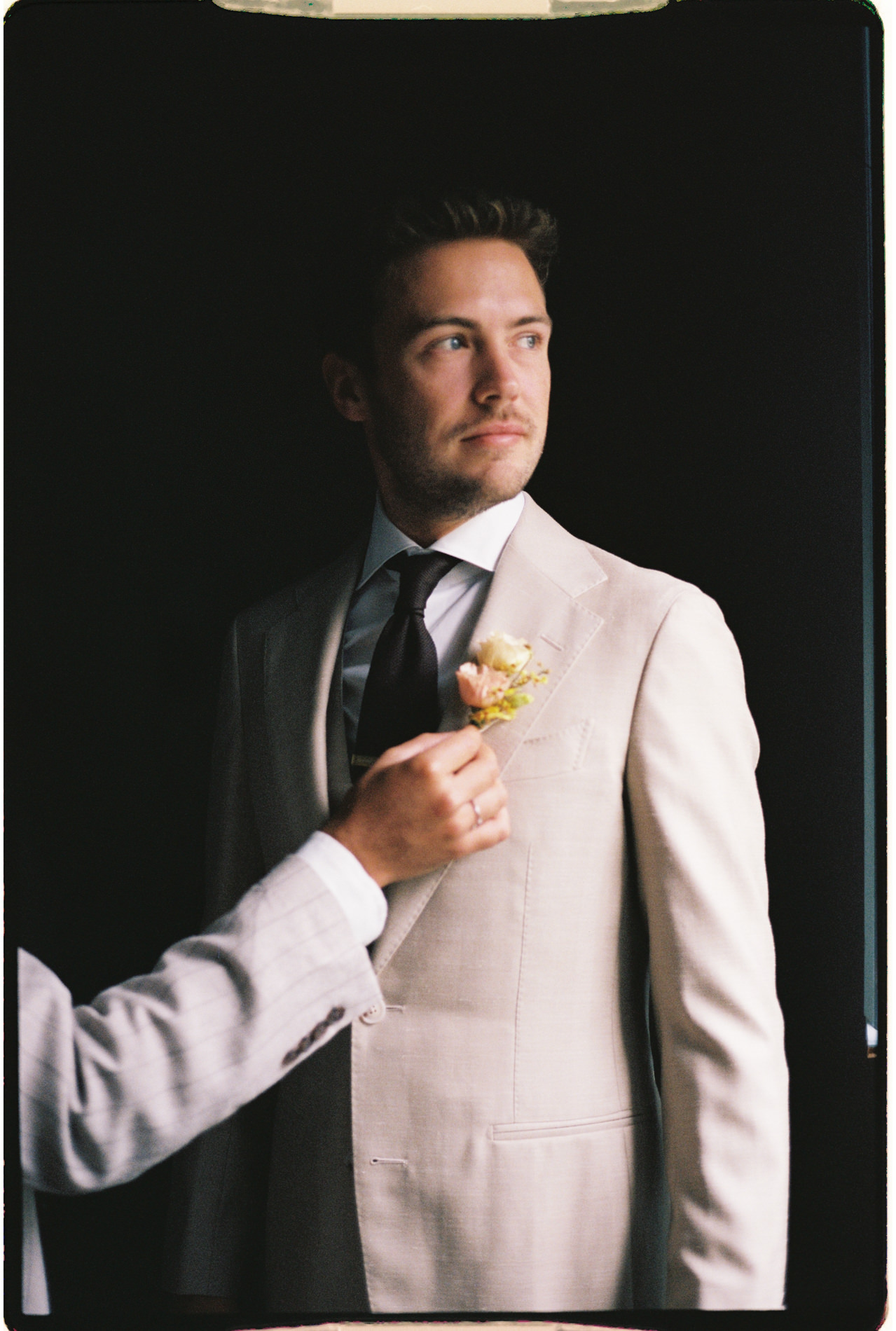
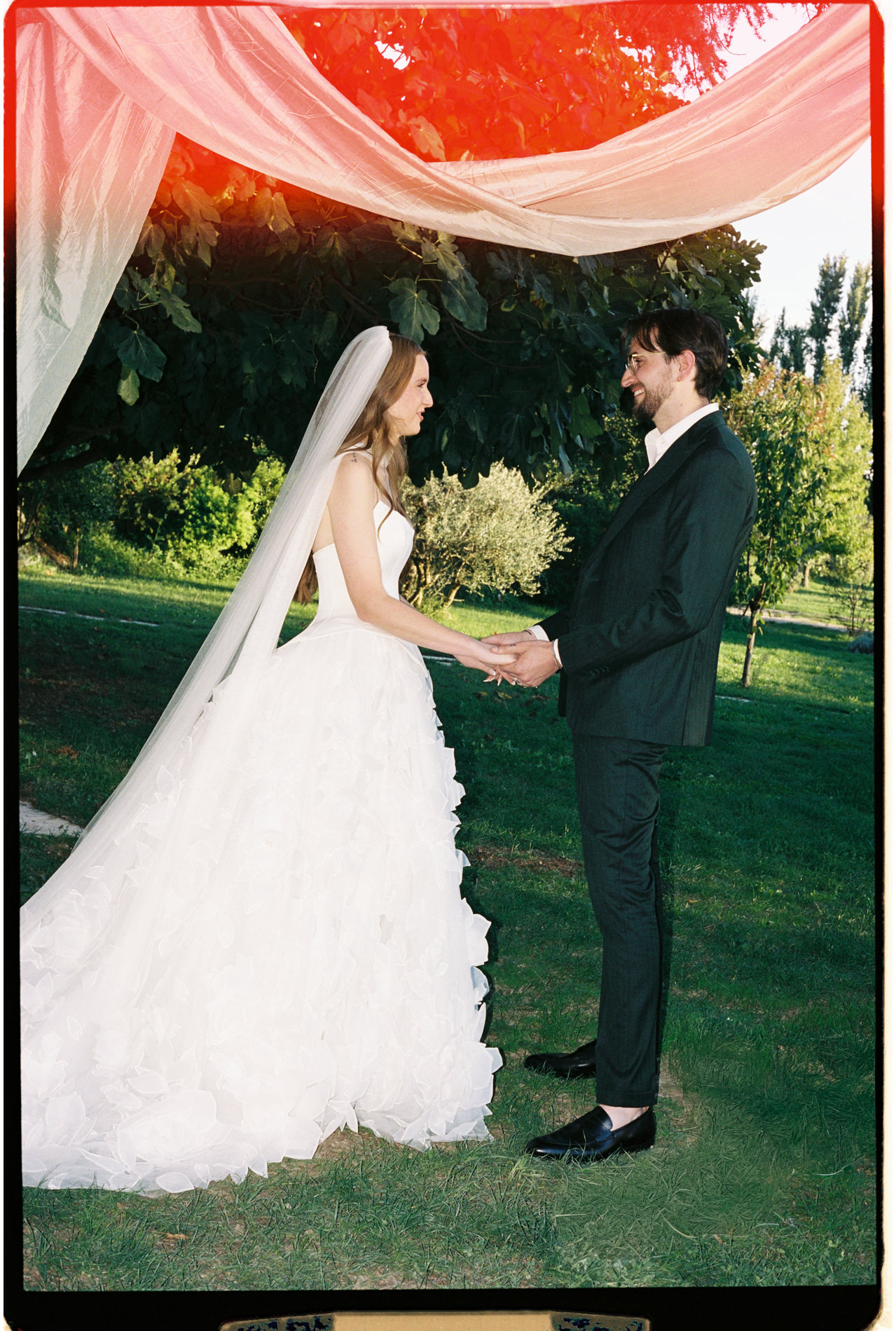
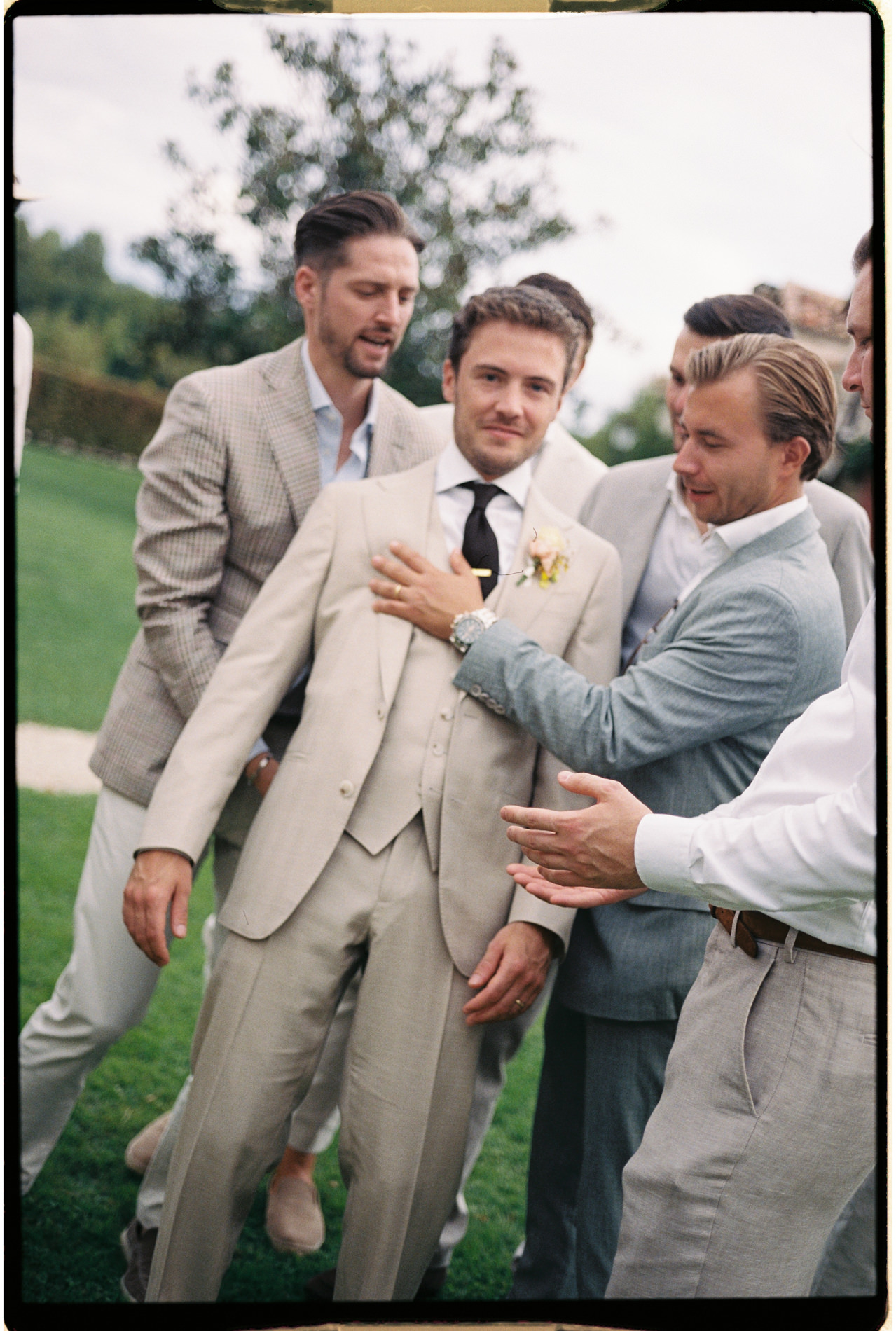
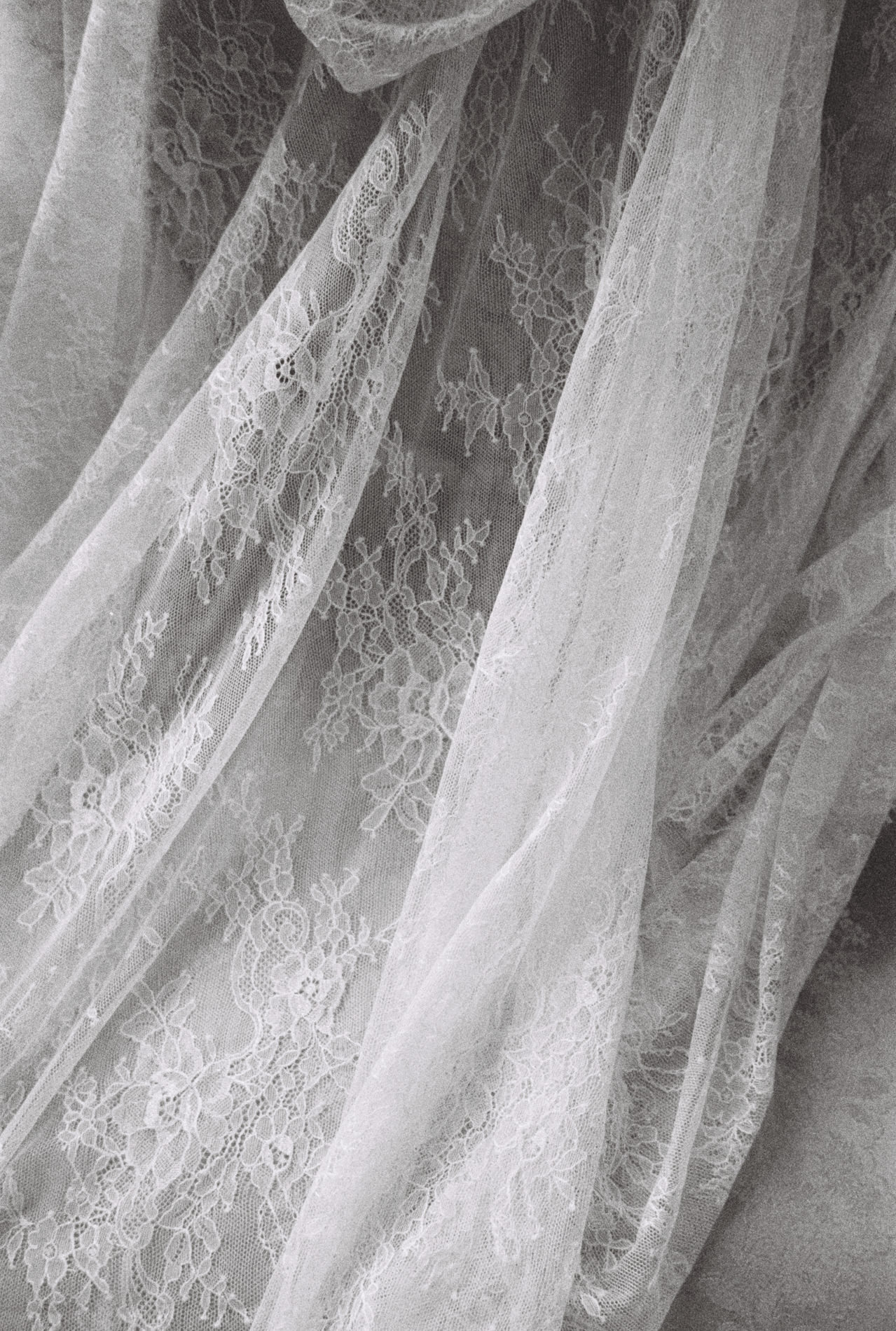
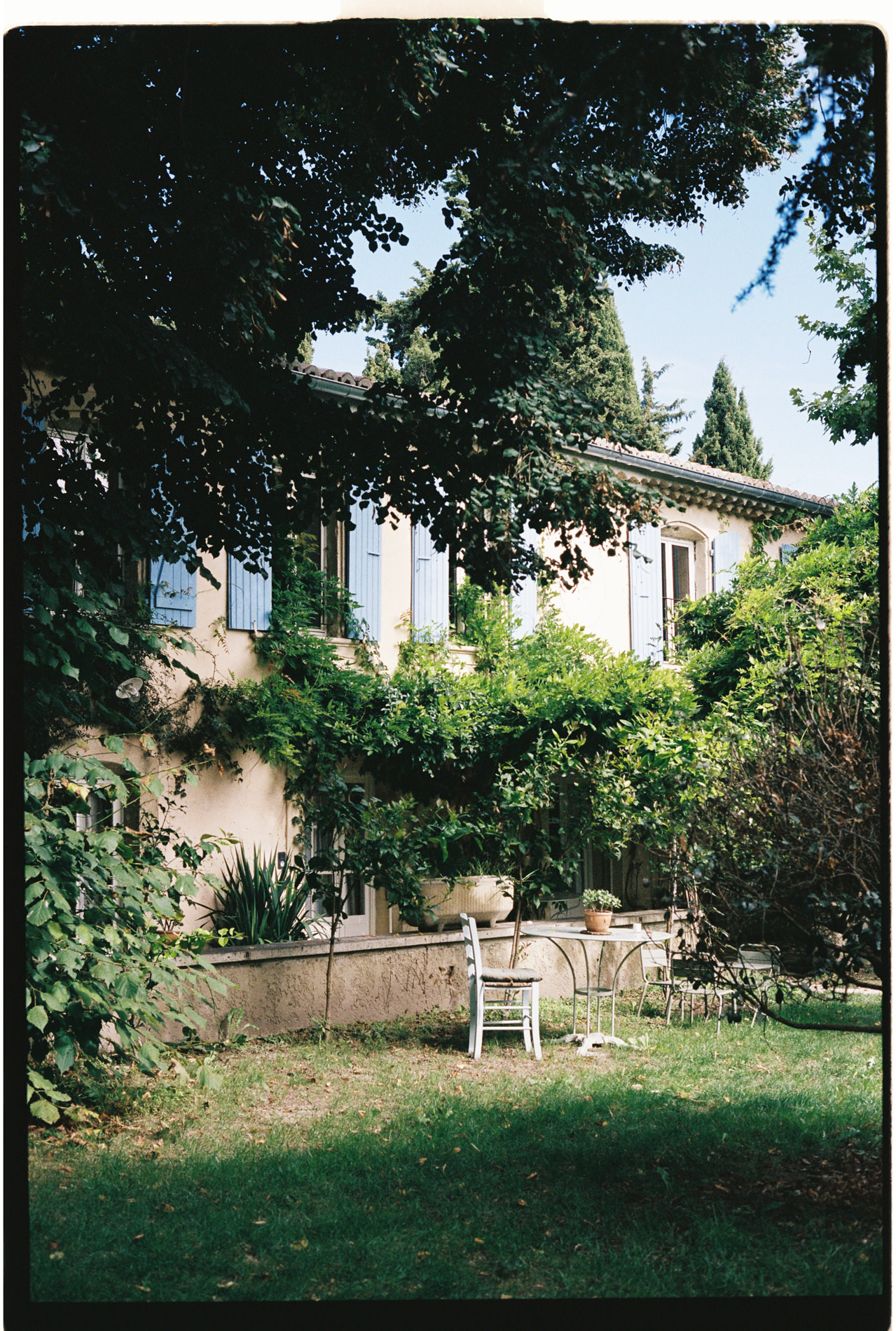
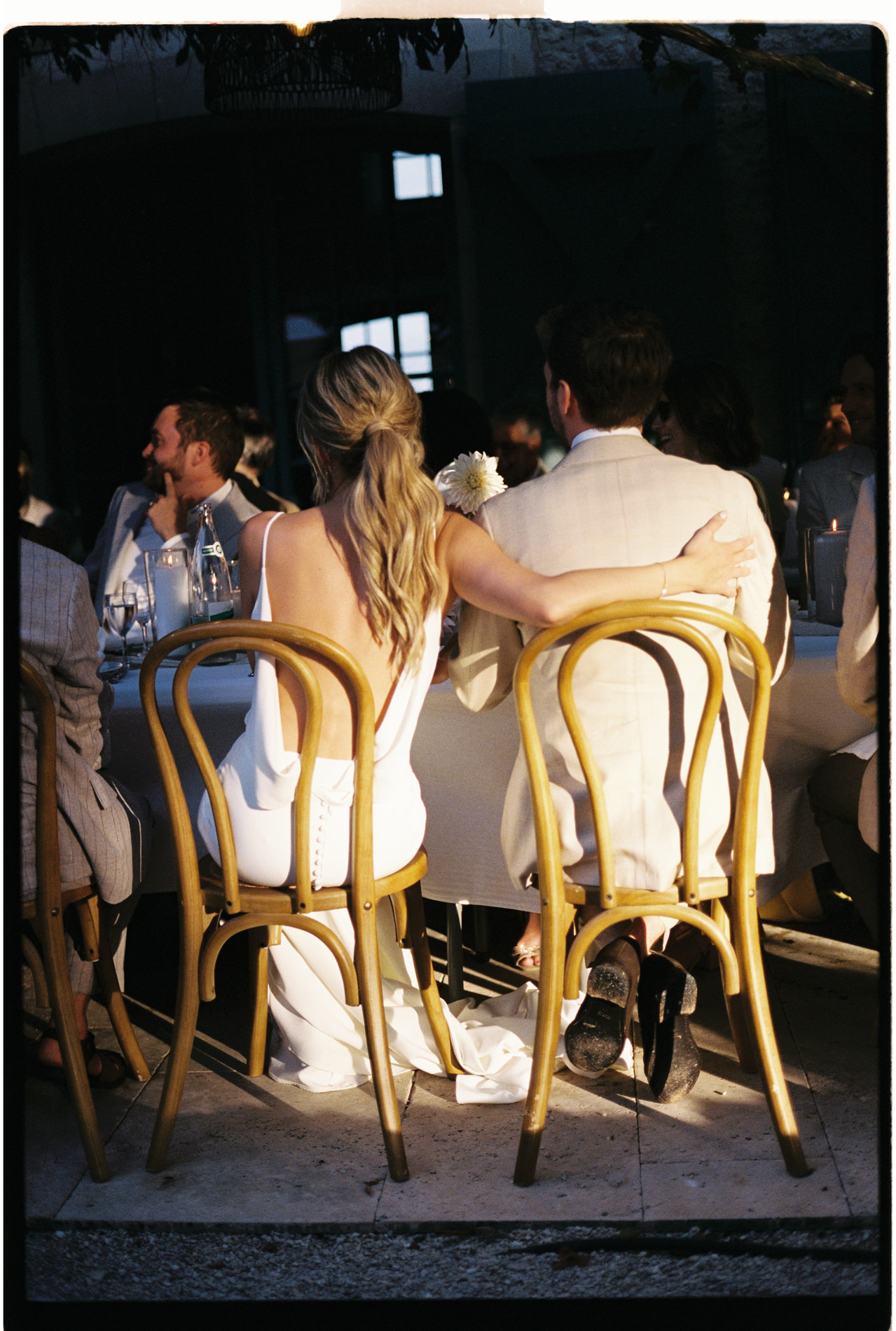
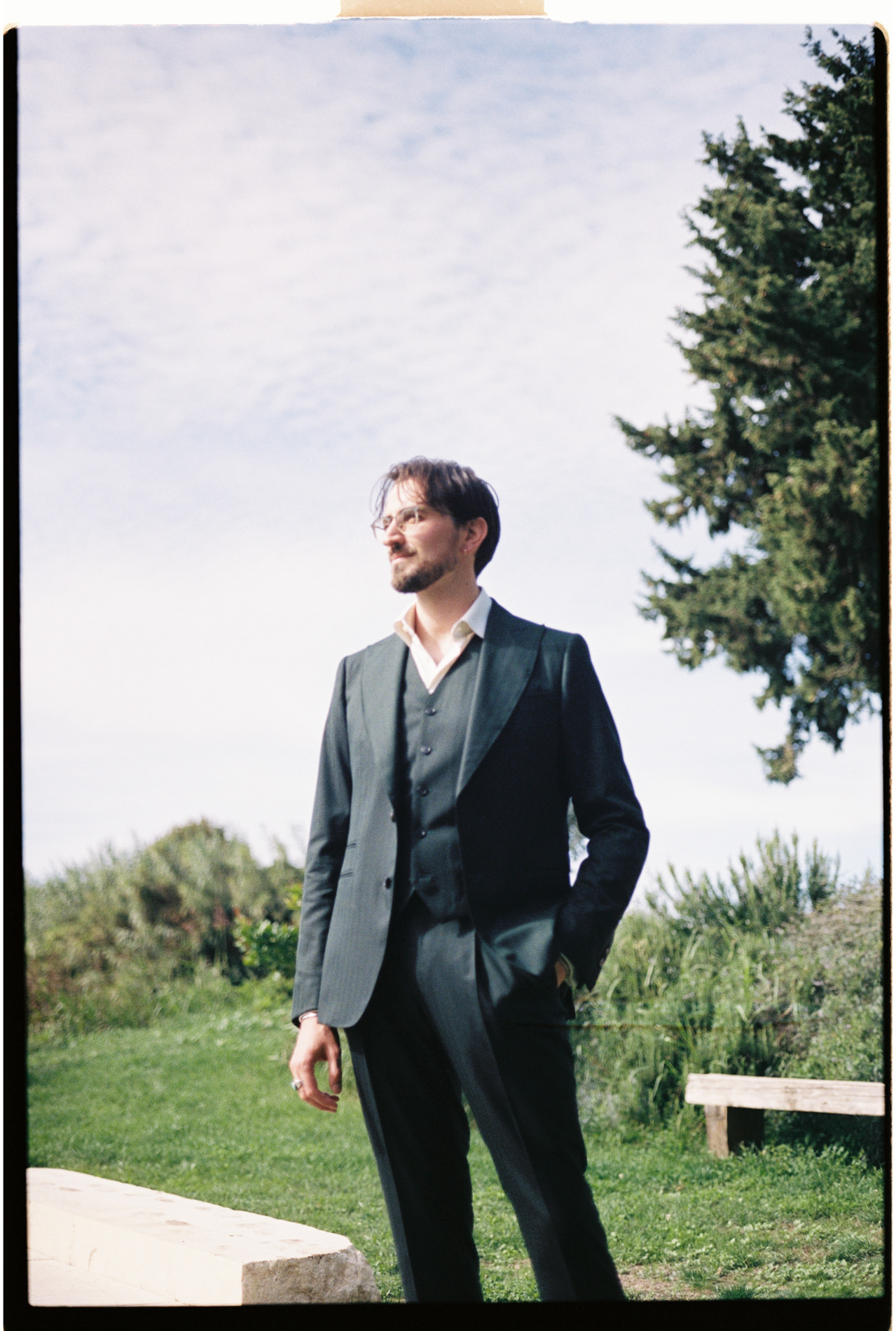
For many couples planning a destination wedding in France, photography is about remembering how it felt. Being far from home, immersed in a place, a light, a rhythm. Film helps translate that feeling — the warmth of a blue sky, the texture of stone walls, the softness of a silk dress. It preserves not just what was there, but the atmosphere of being there.
Selected work featured in Together Journal.
35mm Film as a material, not just a medium
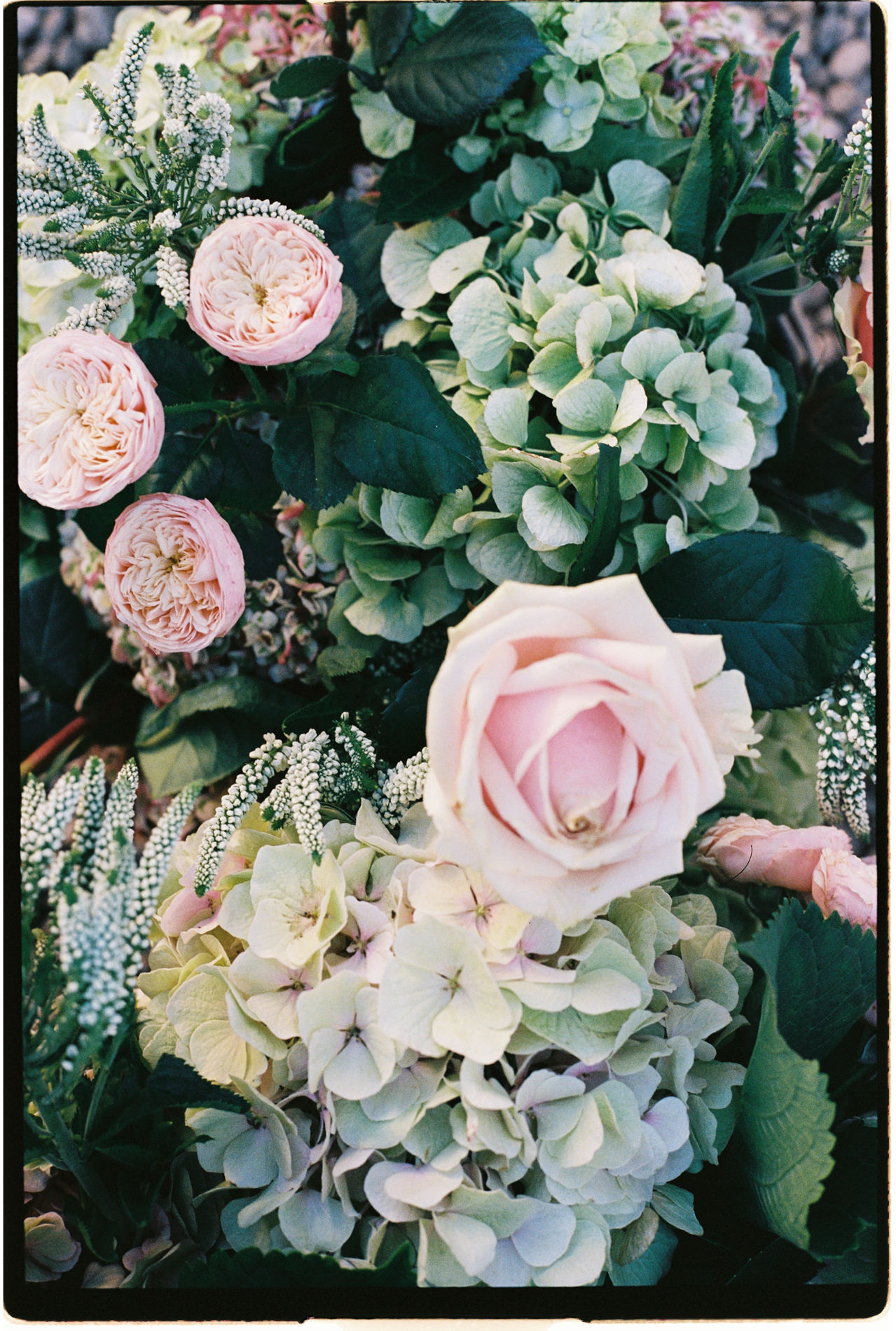
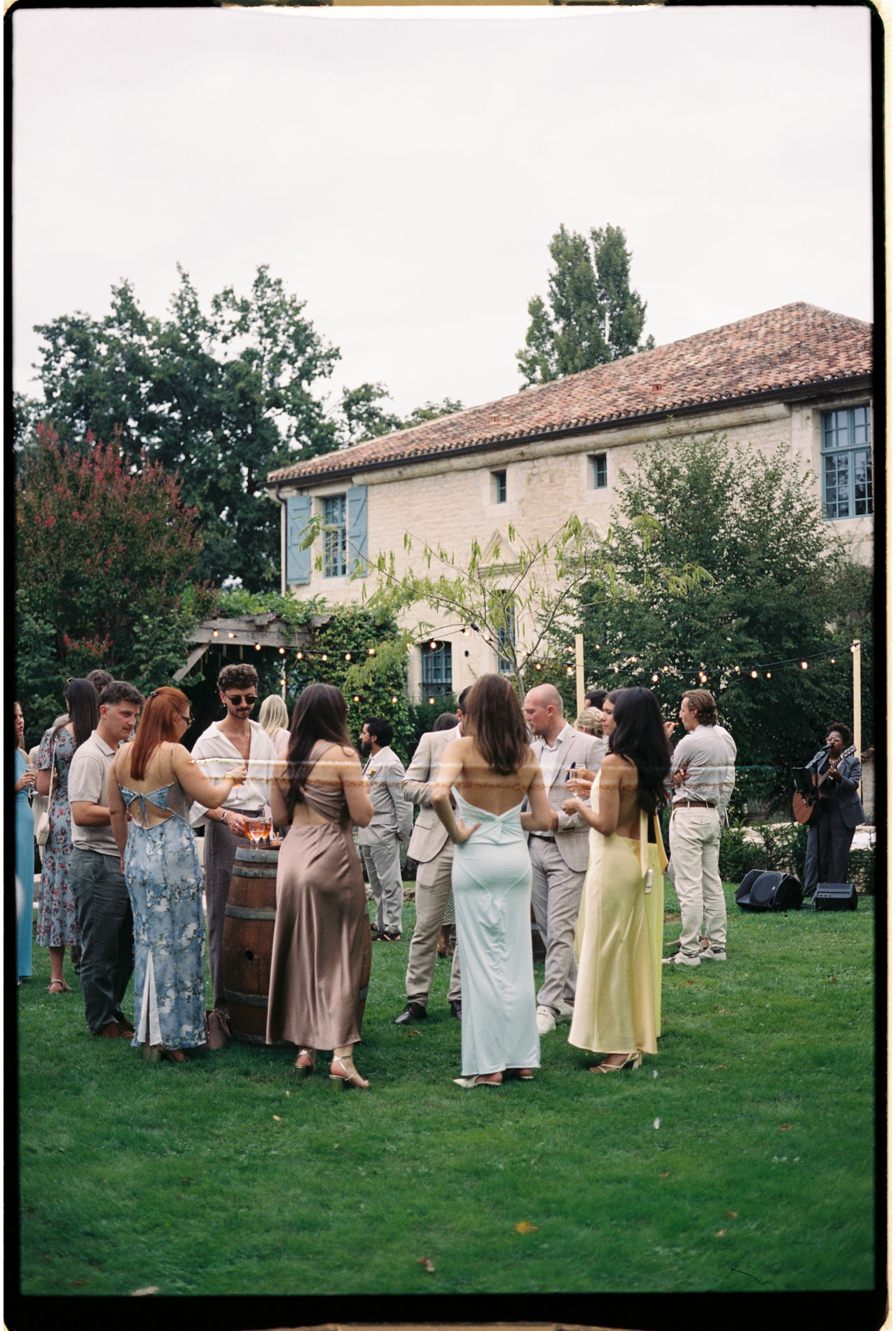
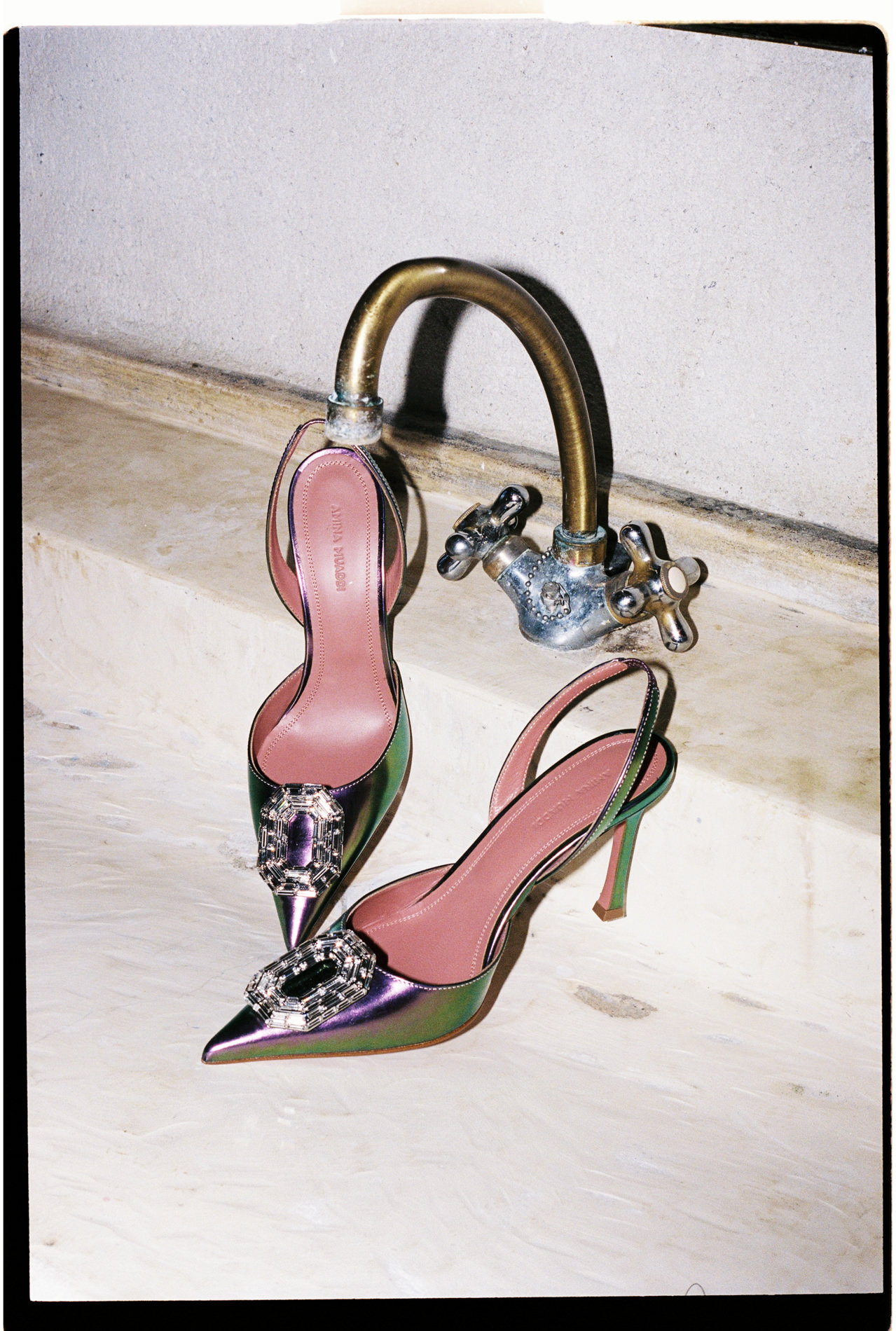
Film is physical. It reacts to light, temperature, handling, and time. It can be altered, imperfect, sometimes unpredictable. Grain, subtle color shifts, or light leaks are not systematically corrected or avoided—they are part of the photographic language. These traces of process and matter often give images their depth and character.
Digital and film wedding photography working together
Film does not replace digital photography; it works alongside it.
Digital ensures continuity and coverage, while 35mm film introduces pauses and intention. Together, they create a balanced narrative. And because film begins as a physical negative, it naturally calls for a physical continuation. Printing is not an extra — it is the logical next step. An image born from a tangible medium deserves, at some point, to exist beyond a screen.
This balanced approach is particularly suited to destination weddings in the South of France, where light, materials and rhythm naturally shape the day.
blog
film wedding in the South of France

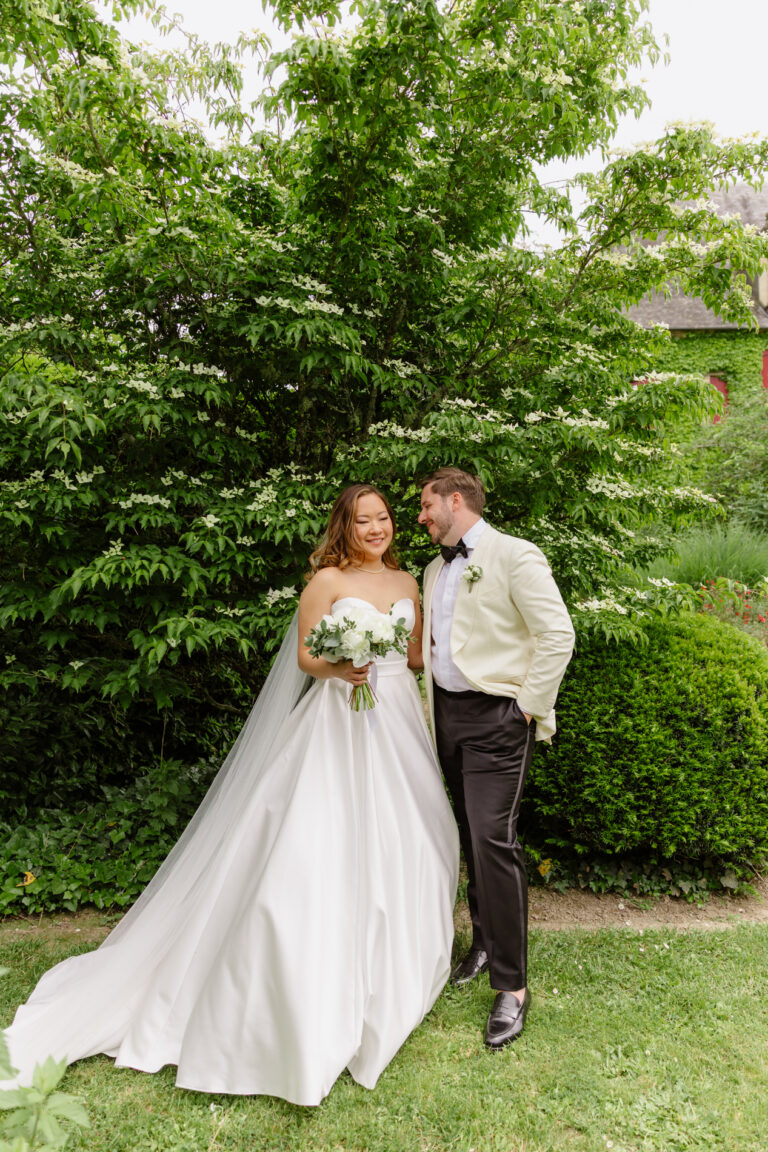
Digital & 35mm film wedding photography
faq
Film photography – Practical questions
What is the difference between film and digital wedding photography?
Film photography brings texture, grain, and subtle variations, while digital photography ensures consistency and full coverage. I combine both so the wedding day is documented fluidly, with moments of intention and material depth.
What type of film do you use for weddings?
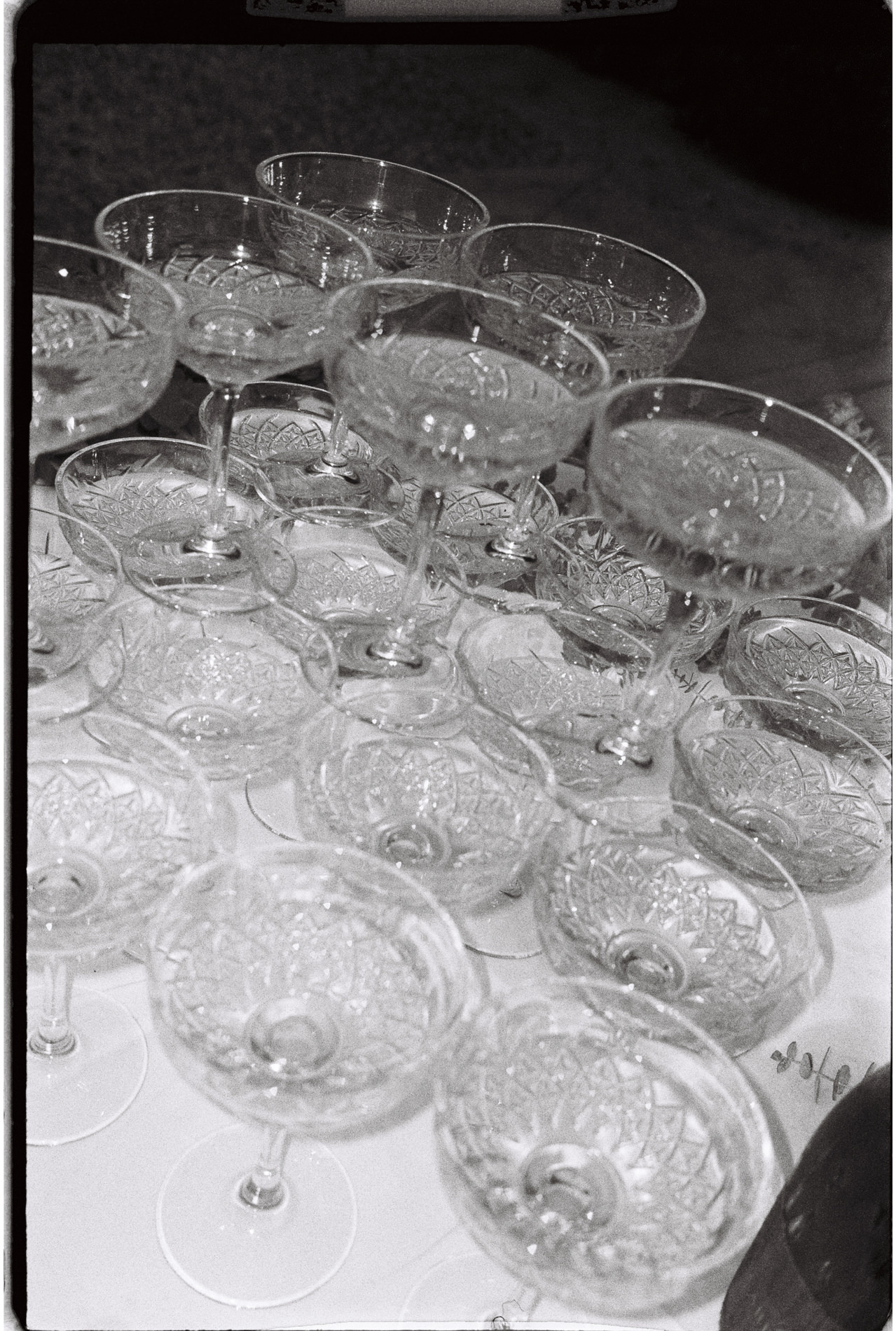
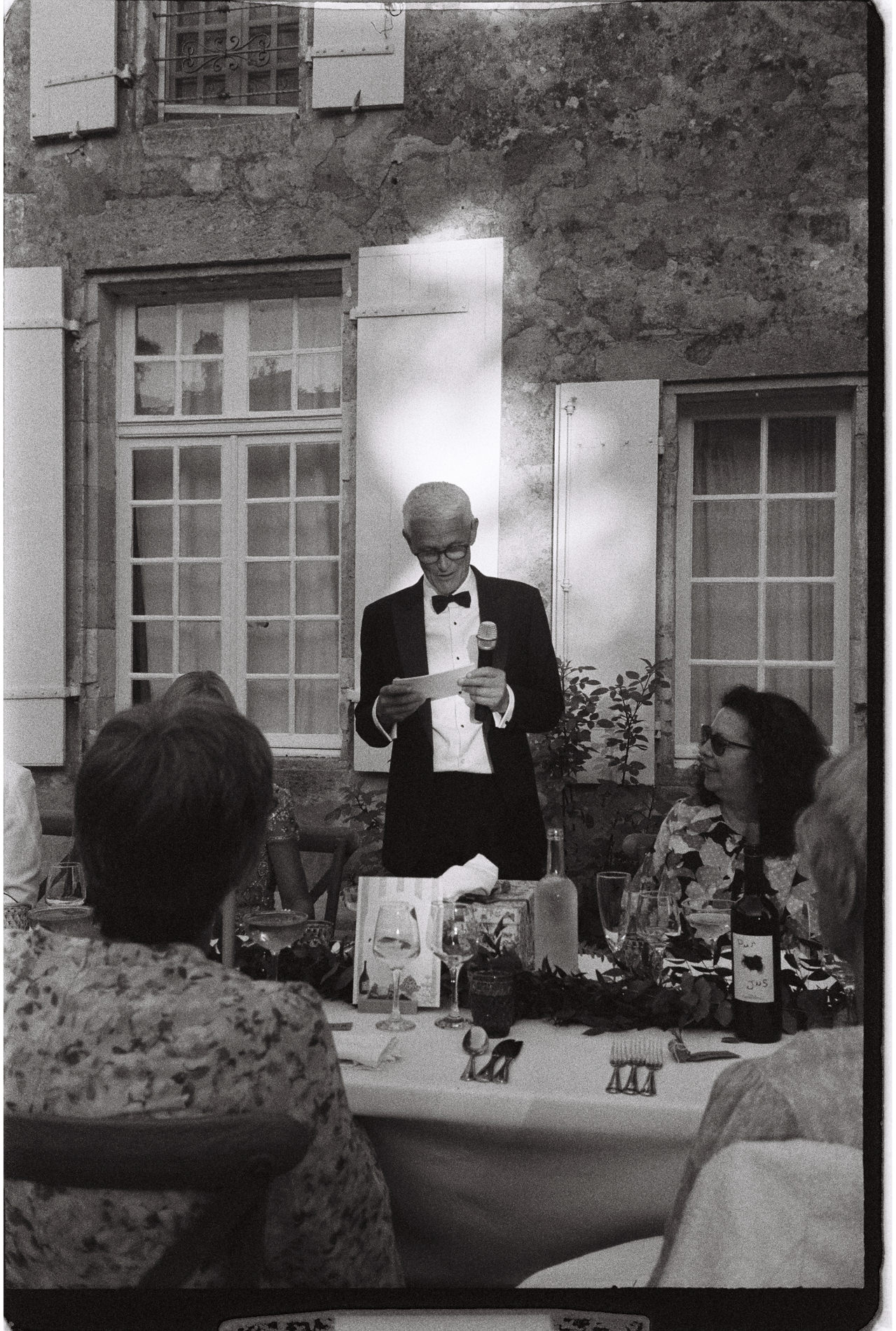
I mainly use professional 35mm color negative film, especially Kodak Portra 400, for its latitude and natural tones. I also work with black-and-white film, and occasionally expired film for its unique texture.
Is film photography reliable for a wedding day?
Yes. Film is always used together with digital equipment, ensuring both creative intention and technical reliability.
Do you photograph the entire wedding on film?
I wish I could, but film is used intentionally at selected moments, while digital photography ensures complete coverage of the day.
How are film wedding photos processed and delivered?
Film is professionally developed, the negatives are carefully scanned by a dedicated lab, and the final images are delivered alongside the digital photographs in a single online gallery.
Can film wedding photos be printed?
Yes. Printing is strongly encouraged, as film photographs originate from a physical negative and are designed to exist beyond the screen.

2026 ©linabernard.com
Film and digital wedding photography in the South of France